
Flying with oxygen from Florida
Every portable concentrator we carry is FAA approved for flight. Here’s how to plan a trip from any Florida airport — the battery math, the paperwork, and each airline’s rules.
Plan your flight in five steps
Most U.S. airlines follow the same basic rules, with a few differences in paperwork and seating.
How much battery do I need?
A quick estimate for your trip.
Formula: 150% of flight and connection time, plus your time at the airport (United’s published example). Some airlines only count flight time — more battery never hurts.
Airline oxygen policies
Tap an airline for its portable oxygen concentrator rules, summarized from its published policy and reviewed October 2026.
Spirit Airlines stopped flying in May 2026 and Silver Airways in 2025. Flying Breeze, Avelo, Sun Country or an international airline? Check their POC rules directly before you book.
Florida airports
Airlines, airport tips and nearby resources for each major Florida airport.
Common questions
Can I use my portable oxygen concentrator on the plane?
Yes, if it’s FAA approved — it must carry the manufacturer’s FAA conformance label or be on the FAA’s list. Every portable concentrator we sell meets that standard.
Can I bring an oxygen tank instead?
No. U.S. airlines don’t allow you to bring your own compressed or liquid oxygen onboard. A portable concentrator is the way to fly with oxygen.
Will there be a power outlet for my concentrator?
Don’t count on it. Most airlines say outlets aren’t available or aren’t guaranteed for POCs, which is why they require batteries for 150% of your trip.
How do I get through TSA with a concentrator?
Tell the officer you have a POC. If you can’t disconnect from it, say so and they’ll screen you another way. TSA Cares (855-787-2227) can arrange help if you call at least 72 hours ahead.
Does my concentrator count as a carry-on?
Under DOT rules, assistive devices don’t count toward your carry-on limit, and airlines can’t charge to carry them.
FAA-approved concentrators for flying
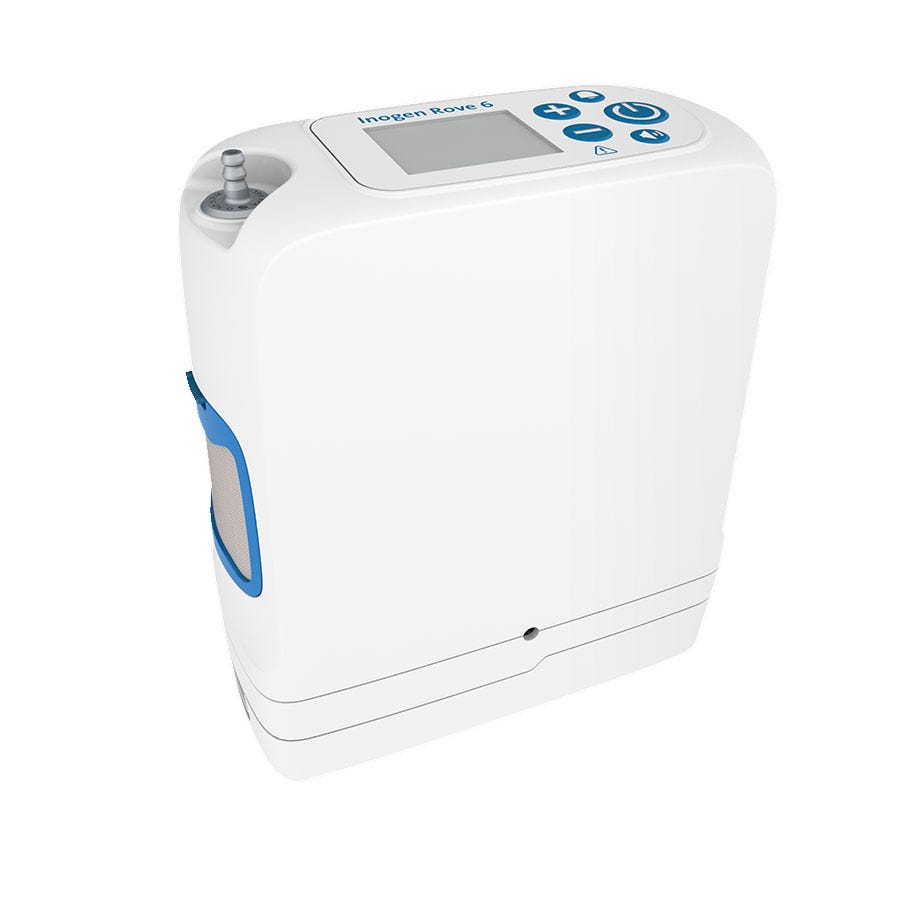 Inogen Rove 6Learn more
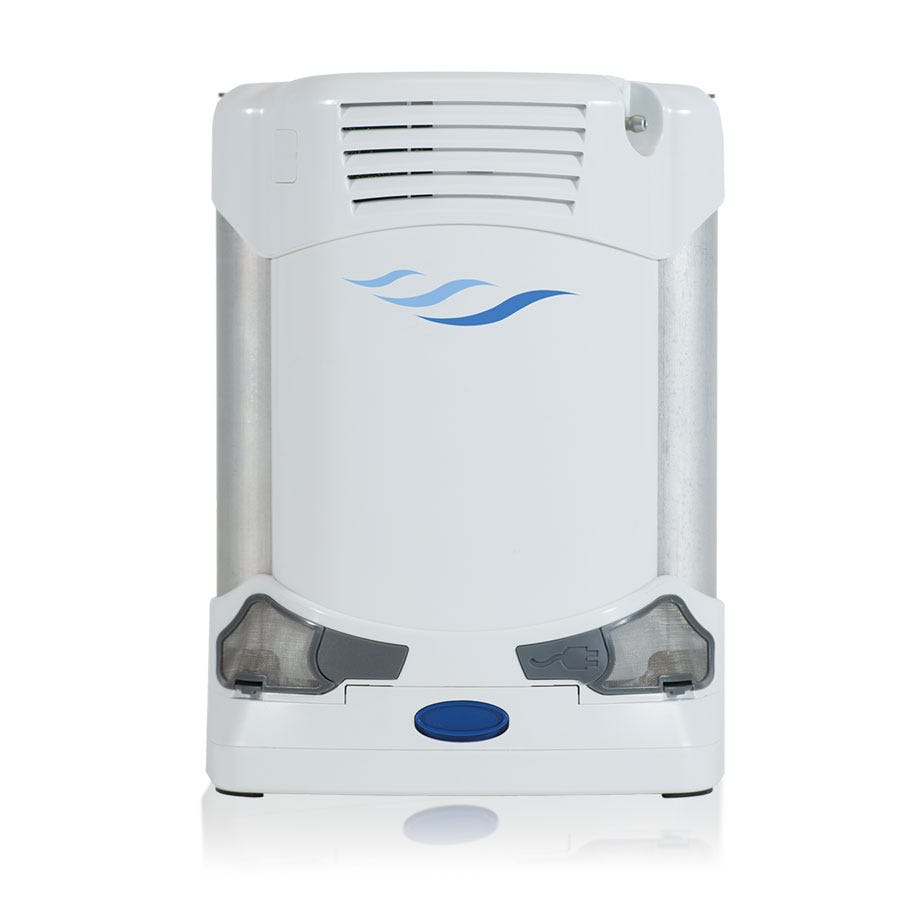 CAIRE Freestyle Comfort with AutoSATLearn more
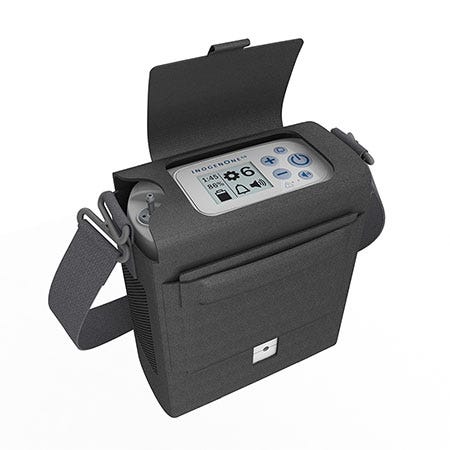 Inogen One G5Learn more
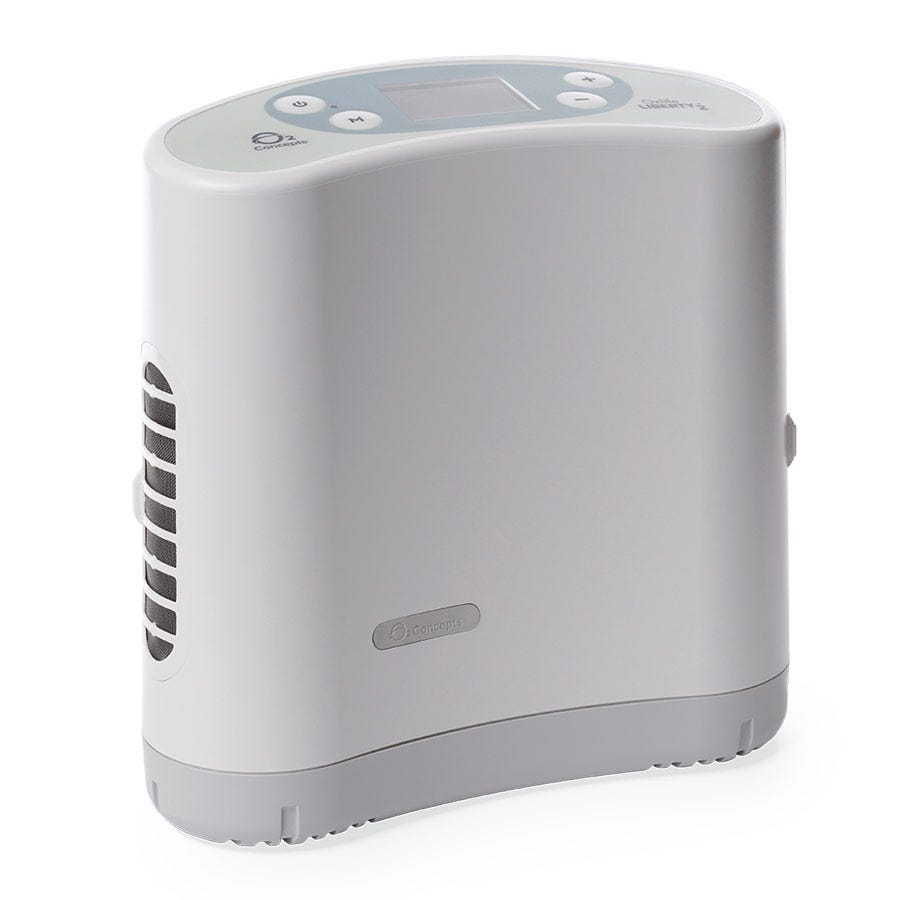 Oxlife Liberty2Learn more
Flying in for a cruise?
See our cruising with oxygen guide for cruise line rules and Florida port tips. Sources: U.S. DOT · FAA PackSafe
Planning a trip?
Call us to find an FAA-approved concentrator with the battery life your flight needs.