
Airline oxygen policy
Flying Allegiant Air with a portable oxygen concentrator
What Allegiant asks of travelers who use a POC, summarized from its published policy. Reviewed October 2026.
Allegiant oxygen rules at a glance
Based on Allegiant Air’s published policy, reviewed October 2026.
NoticeTell Allegiant you plan to use a POC onboard. Doing it when you book is easiest.
BatteriesCarry enough batteries for the whole flight plus a conservative estimate for delays. We suggest planning for 150%. POCs run on battery only — there are no outlets onboard.
SeatingWindow seats only, with the POC under the seat in front of you. No exit row or bulkhead seats.
AlarmsYou must be able to hear and see the unit’s alarms and respond, or travel with someone who can.
PackingProtect spare batteries from short circuits and damage in your carry-on.
FeesThere’s no fee to bring medical equipment onboard.
Allegiant doesn’t allow you to bring your own oxygen tanks — an FAA-approved portable concentrator is the way to fly. Policies can change, so always confirm with Allegiant Air before you fly. See Allegiant’s policy →
Florida airports Allegiant serves
Airport tips, TSA advice and nearby resources.
FAA-approved concentrators for flying
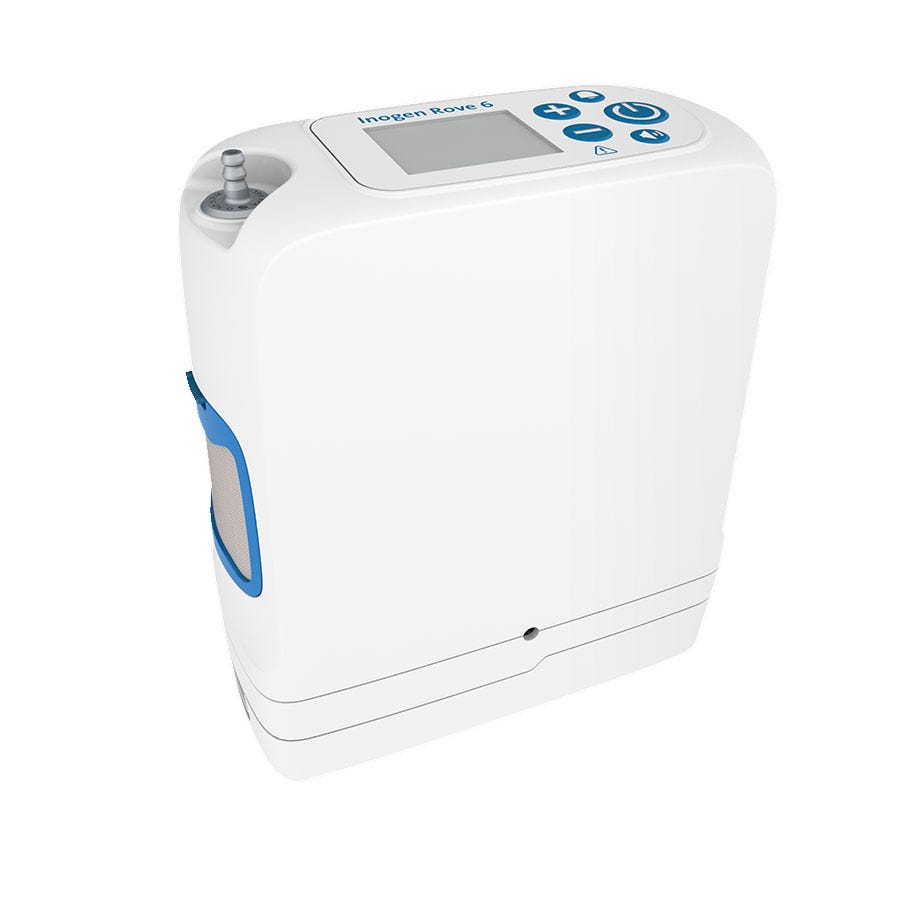 Inogen Rove 6Learn more
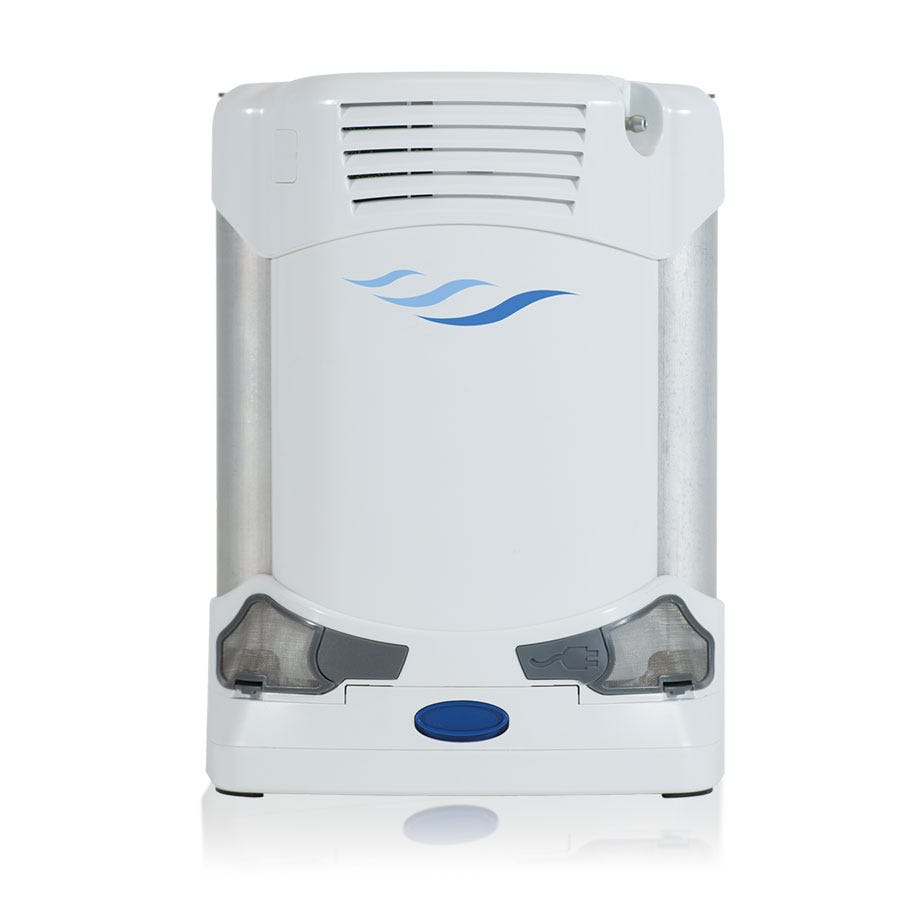 CAIRE Freestyle Comfort with AutoSATLearn more
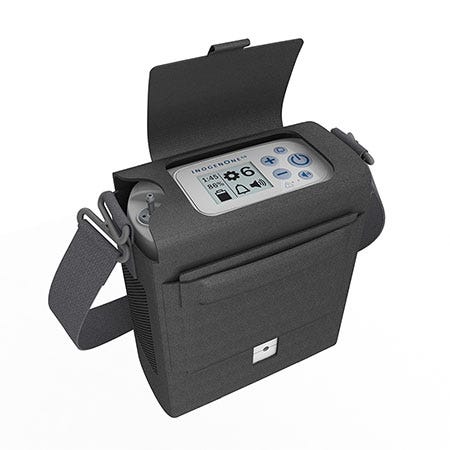 Inogen One G5Learn more
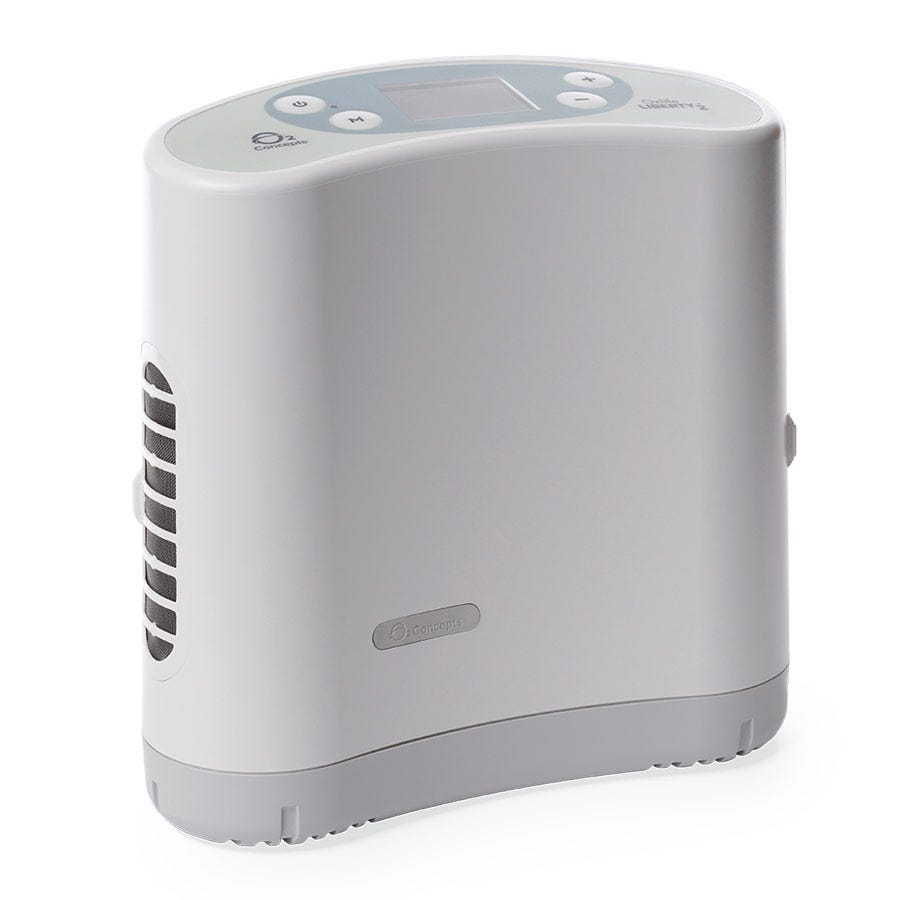 Oxlife Liberty2Learn more
Flying Allegiant?
Call us to find an FAA-approved concentrator with the battery life your flight needs.